If your summer calendar has a birthday, neighborhood block party, or family reunion circled in red, you’re likely weighing two crowd-pleasers: backyard water slides or bounce houses with slides. Both pack a punch, both photograph well, and both transform a plain lawn into a destination. Still, they create different experiences, require different setups, and fit different age ranges and spaces. After years helping families rent bounce houses and inflatable water slides, I’ve learned the right choice depends less on “which is cooler” and more on who’s coming, what your yard can handle, how long you’ll run it, and the vibe you want.
This guide walks through what matters in real life, beyond glossy rental photos. Expect specifics about water use, safety, power, and age ranges, plus how to plan around weather and HOA rules. I’ll also include some rental-day tips that save headaches, especially when the delivery truck swings into a tight driveway at 7 a.m.
What experience do you want to create?
Some parents want that splashy summer waterslides energy, the squeals, the line at the ladder, the gleam of sunscreen under noon sun. Others want a steady flow of kids cycling through bounces, climbs, and slides without soaking the patio or muddying the flowerbeds. Both are valid. A backyard water slide builds a water-park atmosphere, while a bounce house with slide balances motion with manageable mess.
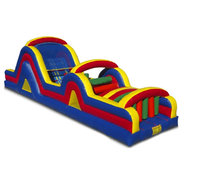
With a water slide, the day finds its rhythm: kids climb, zip, splash, repeat. It’s kinetic and loud and perfect for a July birthday where heat feels like part of the theme. A bounce house with slide, sometimes called a combo unit, shifts the energy. There’s more play variety — jumping, short climbs, quick slides — and a broader age range can join without the shock of cold water or slippery steps. If you’ve got mixed ages and a compact timeline, combos earn their keep.
Space, layout, and access: the unglamorous constraints
Inflatable rentals look deceptively simple until you measure. Most backyard water slides need a footprint around 15 by 30 feet or more, plus open overhead clearance. Tall slides can hit 18 to 22 feet at the peak. Even smaller units often need 14 feet of clear height, free from trees or low power lines. Bounce houses with slides — usually 13 by 25 feet or 15 by 28 feet — are more forgiving but still require room for blower placement and safe entry.
One overlooked detail is access to the setup area. Delivery teams use dollies to move 200 to 600 pounds of vinyl. A narrow side yard with a sharp turn or steps can become the biggest obstacle of the day. If your only access includes a tight gate, structural steps, or a steep slope, tell the rental company up front. In some cases, a smaller unit or modular inflatable moonwalk is the better fit. I’ve seen drivers back out when a 36-inch gate and fresh stucco promise a bad time for everyone.
Think through ground surface as well. Grass remains best. Artificial turf works if you’re comfortable with potential water pooling and heat buildup. Concrete is doable with sandbags and heavy tarps, but harder on knees. Dirt turns into mud faster than you think when you add running water.
Water use, mess, and the fallout for your lawn
Backyard water slides live up to their name. Expect a garden hose running for hours, in bursts or steady trickle, depending on the model. A slide can use a few hundred gallons over a full day, more if kids never let the water off. If your area has restrictions or you’re on a well with low pressure, check ahead. Some rental operators provide flow restrictors and advise you to pulse the water on and off, which conserves water and still keeps the slide slick.
All that water has to go somewhere. On a flat lawn, it spreads and soaks. On a slight indoor party inflatables for rent slope, it migrates toward fences or patios. I once watched a neighbor’s decorative mulch float across their pavers after two hours of enthusiastic sliding. Place a kiddie pool or splash pad at the base only if the rental company approves, since extra water depth can create safety issues. Responsible vendors will orient the slide to channel runoff away from house foundations and garden beds, but you’ll still want towels near the back door and a plan for shoes outside.
Bounce houses with slides rarely need water unless you rent a wet-dry combo and purposely use the water feature. In dry mode, you avoid pooling and protect the lawn from over-saturation. You’ll still flatten grass under the unit, and a long day’s worth of feet can scuff turf, yet recovery usually takes a week or two with proper watering and mowing. If lawn health matters, choose a shaded area or rotate placement from previous parties.
Safety by age and stage
Safety hinges on matching the inflatable to the guests, then sticking to realistic capacity. Toddlers get nervous on tall, fast slides. Bigger kids get bored in tiny bounce areas. Nobody thrives when nine children pile on because the cake sugar rush hit at the same moment.
For children under five, a small bounce house or a low-profile combo with a short slide feels right. They can climb short ladders and sit to slide without drama. Backyard water slides labeled for younger kids have gentler slopes and side walls, but supervise closely and keep the water pressure modest. Wet vinyl is slick. That’s the point. It also means little feet slip at the ladder if they rush.
For ages six to ten, the field widens. Classic bounce houses for parties with a side slide keep lines moving, and mid-height water slides are a big hit as long as you monitor spacing. I prefer units with a single-lane slide for this age group; it’s easier to enforce one-at-a-time rules. Dual-lane designs raise the fun if you have good adult supervision at the top.
For tweens and teens, tall backyard water slides or larger combo units with interior obstacles hold attention longer. Some renters step up to inflatable obstacle courses for head-to-head races, especially if water isn’t an option. Courses eat more space, yet they control chaos by structuring movement.
Regardless of age, set ground rules early: socks off in dry units, no flips, one slider at a time, and clear waiting zones. Assign an adult to the ladder and another to the landing area when things get busy. The safest events I’ve helped run all had visible, calm adults who were willing to pause the line for a minute when kids ignored instructions.
Power, blowers, and noise you’ll actually hear
All inflatables rely on continuous airflow. That means at least one blower running the entire time the unit is up. Most typical bounce houses and standard backyard water slides use a single 1 to 1.5 horsepower blower, drawing roughly 7 to 12 amps. Dual-lane slides or extra-tall units may need a second blower. Plan for dedicated household outlets on different circuits if you’re doubling up. Long extension cords increase voltage drop and can overheat, so expect the rental company to require 12-gauge cords and to limit runs to 50 or 75 feet.
Blower noise is noticeable but not overwhelming. Position the unit so the blower sits away from the seating area, or use fencing and shrubs as sound baffles. If you’re hosting grandparents who want to chat, put chairs on the opposite side of the yard.
Setup windows, delivery logistics, and weather hedges
Rental companies aim to deliver early and pull at day’s end. On a Saturday, your window might land anywhere from sunrise to midmorning for setup, with pickup at dusk. If you live on a cul-de-sac or a street with strict parking, give the driver space to unload. Clear toys, garden hoses, and pet waste. Inflatable rentals and dog piles do not mix.
Weather is the wild card. Vendors will not set up in sustained winds above safe thresholds, typically around 15 to 20 miles per hour for smaller units, lower if gusts are strong or the unit is tall. Light rain is workable if you ordered a wet unit anyway, but pools of standing water near outlets or blowers are a no-go. A reputable company will share a weather cancellation policy up front. If your climate throws afternoon storms, consider a morning party and keep spare towels under the porch.
Cost, value, and how to budget honestly
Prices vary by market, season, and the unit’s size and complexity. In many areas, a basic bounce house for parties rents for less than a full-size water slide. Combos land in the middle. Summer weekends carry premium pricing, especially for summer waterslides. Expect delivery fees if you’re outside the standard radius or if setup requires extra labor due to stairs or long hauls.
Ask what the base price includes. Some companies bundle delivery, setup, and teardown with the rental window, and charge extra for overnight. Others include overnight by default if they can pick up early the next day. Clarify cleaning fees, damage waivers, and whether a deposit becomes a credit if weather cancels the event.
Value comes from matching the inflatable to your guest count and run time. If you’re hosting 25 kids for four hours in August heat, a big water slide or dual-lane combo keeps the crowd engaged. A small dry bounce house may bottleneck and cause frustration, even if it’s cheaper.
Dry play versus wet play: the mood of your party
Wet play transforms the party dynamics. Kids will sprint, slip, and belly laugh. Parents will pull phones out for slow-motion videos, and towels will scatter across chairs like flags. Dress code matters. Swimsuits, sun shirts, and water shoes with good grip make a difference on ladders and tarps. Plan a staging area for soggy gear and a clear path to the bathroom. If you’re serving food, keep it away from the spray zone.
Dry play has a gentler pace and blends better with other activities. It pairs well with face painting, yard games, and a cake schedule you can keep. If your location has limited shade or you’re managing nap schedules, a dry combo or a classic inflatable moonwalk often fits the day.
Cleaning standards you should expect from a good operator
Clean inflatables aren’t optional. They’re the baseline for a legit business. Units should arrive visibly clean, dry, and smelling neutral. Disinfectants that leave heavy residue make vinyl slick, so pros apply cleaners properly and allow enough dwell and dry time between jobs. If a unit arrives wet on a dry day without a clear reason, ask why. Sometimes morning dew or an early rinse explains it. Sometimes it signals a rushed turnaround.
Shoes off policies protect the vinyl and keep gunk out. So do socks in dry bounce houses. If you’ve got toddlers, bring disinfecting wipes for entry mats and wash hands before snacks. These are small steps that keep a big crowd healthier.
The case for backyard water slides
When heat is the headline, backyard water slides are simply the best show in town. They turn a regular yard into a water playground and keep kids moving for hours. Because the fun centers on one flowing activity, line management is simple: one climber up, one slider down. Add music, a shade tent for adults, and you’ve got a clean arc to the day.
They also deliver a bigger “wow” factor for older kids. Taller lanes, longer runouts, and dual-lane races create moments that feel worth the invitation. If your guest list skews toward ages eight to fourteen, that matters.
The trade-offs are predictable. You use water, you soak the lawn, and you accept more laundry. You also need more space and a careful eye on safety at the ladder. If those factors fit your plan, inflatable water slides earn their reputation as summer favorites.
The case for bounce houses with slides
Combos earn their spot by balancing variety and simplicity. Jumping takes energy, the slide resets the line, and younger kids feel included. Parents appreciate that dry use avoids puddles and mud, and setups tend to fit smaller yards. Cost often comes in lower than a large slide while still feeling special, especially if the unit has a themed facade that matches your party.
Combos handle mixed-age groups gracefully. A four-year-old can bounce on one side while a nine-year-old takes turns on the slide. You can also convert many combos to wet mode with a hose, which lets you adapt on a hot day without committing to a towering water slide.
The ceiling is lower for thrill seekers. Big kids may top out after a couple hours unless there’s a competition or additional attractions. If you’re inviting a soccer team after a tournament, consider a larger combo or pair it with inflatable obstacle courses to stretch their interest.
Permits, HOAs, and neighbor diplomacy
Most residential parties don’t need a permit, yet local rules and HOAs can surprise you. Some neighborhoods restrict inflatables visible from the street or limit amplified noise. Others prohibit commercial setups in shared green spaces. A five-minute call saves the awkwardness of a neighbor complaint mid-party.
If your block is tight, give your next-door neighbor a heads up and offer a slice of cake. Sharing the schedule helps, especially if pickup will happen near bedtime for small children or if the blower hum crosses a property line.
Insurance, anchoring, and what a responsible company does
When you rent bounce houses or water slides for rent, choose a company that carries liability insurance and can show proof on request. Good operators anchor properly with stakes on grass or sandbags on hard surfaces. They’ll decline setups on steep slopes and will cancel for wind. It’s not personal; it’s professional.
They should also run you through safety rules, including max occupancy, and place the blower where kids can’t trip over cords. If an operator shrugs off wind questions or skips anchors because “it’s heavy enough,” send them away. Vinyl weight does not replace proper anchoring.
Food, footwear, and flow around the inflatable
Place food and drink away from entrances. Sticky hands and vinyl are a bad match. Popsicles and snow cones migrate toward the inflatable if you let them. Keep a trash can near the snack table and another at the back door. Water shoes with treads are helpful for wet slides, but avoid hard soles that scuff. For dry units, ask kids to go barefoot or wear socks to protect the surface and prevent burns on hot days.
Plan your flow. If the ladder is on the left, stage the line on that side and set the return path on the right to reduce collisions. Tie balloons near the entrance to signal where to queue. Small details keep the day smooth.
Pool or hose? How water delivery changes the slide
Many renters assume a water slide fully depends on the hose. That’s true for the slick surface, not for the landing. Some models terminate in a splash pad with a raised bumper. Others feed into a shallow pool basin that holds a few inches of water. Pool-style landings feel great but demand vigilant supervision and clear rules for headfirst sliding, which should be a hard no. Pad-style landings bring less depth, quicker cycle times, and easier drainage across grass.
If you’re conserving water, ask for a slide with misting nozzles and a pad landing. Set the hose to a steady, low flow. The vinyl stays slick without creating rivers.
When to consider inflatable obstacle courses instead
If your yard layout looks like a sideways L or traffic flow will be tricky, a long inflatable obstacle course can solve a lot of problems. Courses send two kids through a timed path, then out the other end, clearing congestion. They also sidestep water use. For mixed ages, choose a course with a moderate slide finish so younger kids aren’t intimidated. For teens, taller climbs and pop-up obstacles raise the stakes.
You can pair a shorter course with a small combo to keep little kids happy while older kids race. It costs more, but it splits the crowd and reduces line pressure.
Two quick-planning checklists that actually help
- Measure the space, including overhead clearance and gate width. Confirm where blowers will plug in and how cords will run safely. Match the unit to ages and headcount. For 20-plus kids in heat, favor taller water slides or dual-lane combos to keep lines short.
These simple checks prevent the most common day-of surprises.
Real-world examples that steer your choice
A June backyard birthday, ages four to seven, 14 kids, 11 a.m. to 2 p.m., modest shade, standard hose pressure. A bounce house with slide in dry mode fits perfectly. The variety keeps the little ones engaged, and parents aren’t chasing mud. Add a bubble machine and a small craft table, and the day has structure.
An August team party, ages nine to twelve, 24 kids, late afternoon, big lawn, no water restrictions. A mid-height dual-lane backyard water slide hits the sweet spot. Set up shade tents for parents, a cooler station away from the slide, and assign two adults to supervise. The group burns energy fast and sleeps hard that night.
A mixed-family reunion, ages three to fifteen, 30 guests total, HOA with quiet hours and a street-facing yard. A long inflatable obstacle course plus a small dry combo solves it without hose hassles. Stagger runs with team relays, ring a bell for heats, and keep a scoreboard. The competitive energy takes over, and nobody misses the water.
How to talk to a rental company the smart way
Good communication earns you better outcomes. When you call or request a quote:
- Share headcount ranges by age, party hours, surface type, and access details like gate width and steps. Ask about anchoring methods, blower requirements, wet versus dry compatibility, and weather policies.
Two or three honest answers from a vendor typically expose their professionalism. If they ask follow-up questions about slope and wind exposure, you’re likely in good hands.
Final guidance: choose the inflatable that matches your event’s heartbeat
If the forecast screams heat and your guests are old enough for a ladder and a quick slide cycle, go with the water. Backyard water slides make memories that feel like summer distilled to a single frame. If you need flexibility, a wide age range will attend, or you want to minimize water use and mess, bounce houses with slides give you variety without complexity. If space or rules complicate the picture, look at inflatable obstacle courses as a strong third path.
Any of these inflatable rentals can deliver a great day when matched to your space, your guests, and your tolerance for wet footprints. Start with measurements, confirm power and water, pick a unit that fits the crowd, and staff the ladder with a smiling adult. That’s the formula. The rest is laughter and cake.